From King Solomon's Throne to the Coming of Moshiach
Source published: The Times of Israel Blogs | Mikhail Salita | Author reflection
In a November 20 contribution to The Times of Israel Blogs, Mikhail Salita explores the golden cat and rooster described in the literary tradition of Solomon’s throne.
Strength That Protects
He connects the rooster’s songs in Perek Shirah with spiritual awakening, and reads the cat as an image of vigilance and household protection. The essay develops a theological vision in which strength serves the vulnerable rather than domination.
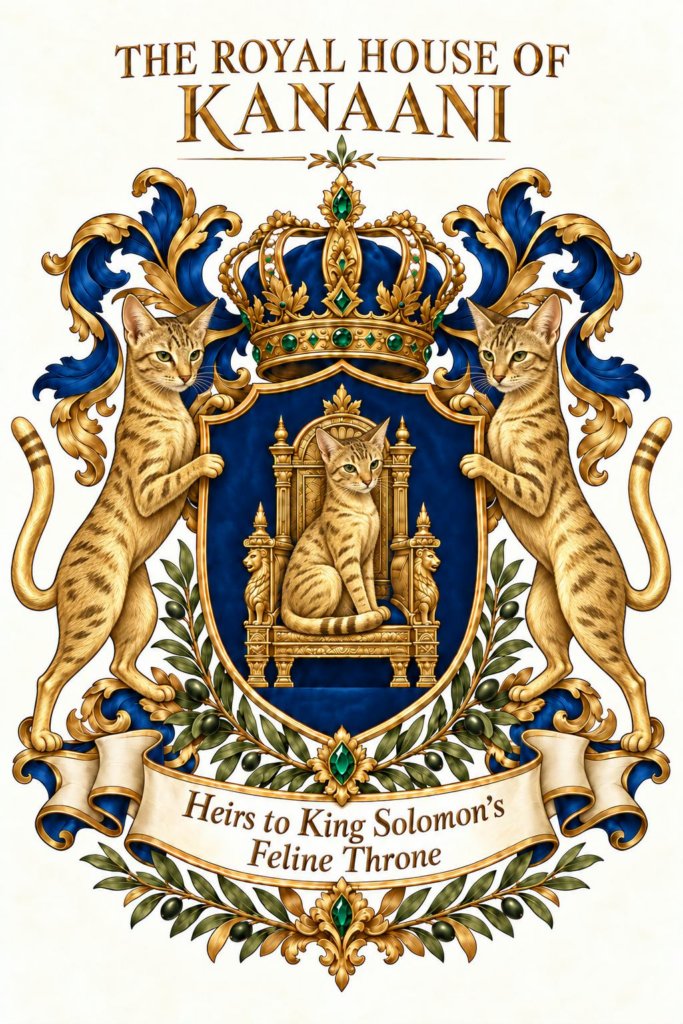
Royal House of Kanaani heraldic artwork from the WKO archive.
Salita distinguishes his interpretation from historical evidence and observes that peaceful coexistence between animals should not erase their real behavioural differences. This is an author’s reflection on Jewish tradition and animal ethics, not a new breed-history finding.
Mikhail Salita’s The Golden Cat of King Solomon was posted on Reedsy Prompts on November 20. It belongs to his Rav Papa Kanaani’s Tales series and is listed for younger readers.
A Cat at the Palace Gate
The story imagines a cat arriving at Solomon’s palace and forming an unexpected friendship with a rooster. Courage is expressed through protection and restraint, while the golden figures on the throne become an image of peaceful coexistence.
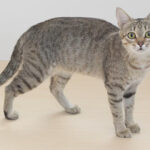
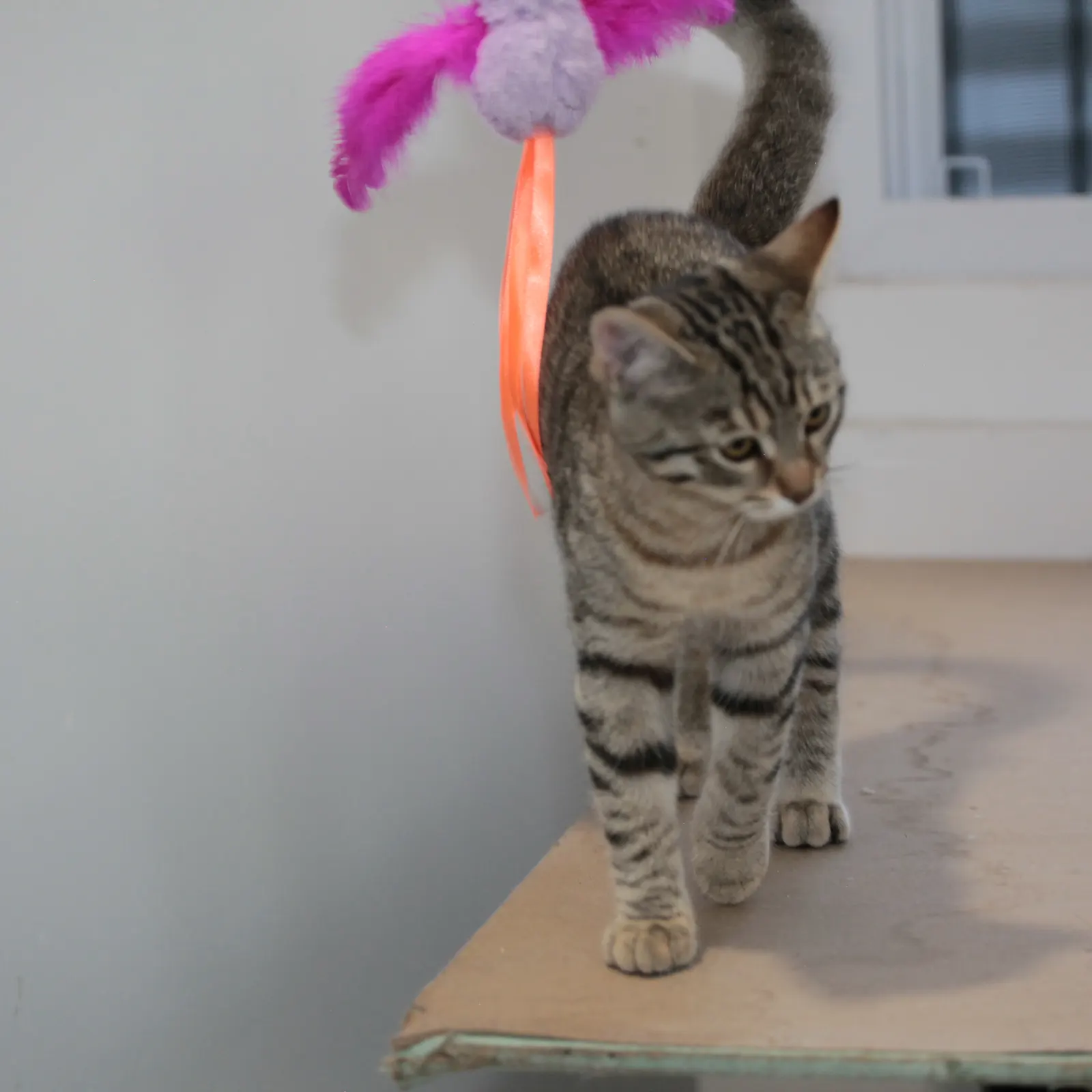
Kanaani photograph from the WKO archive.
A concluding note distinguishes traditional sources from invented scenes and dialogue. The Kanaani connection belongs to the story’s imaginative world, not a proven genealogy linking modern cats to Solomon’s court.
From Noah's Ark to New York: A Call to Preserve Kanaani Heritage
Source published: IssueWire | The World Kanaani Organization | Press release
A November 17 WKO release on IssueWire presents Kanaani preservation as a practical responsibility grounded in compassion and cultural memory.
A Call for Cooperation
The announcement invites help with veterinary care, lineage documentation, historical research, educational programmes and institutional cooperation. Its Noah’s Ark analogy expresses an ethical motivation; it does not claim a biblical command to preserve this modern breed or equate it with an endangered wildlife species.
Kanaani photograph from the WKO archive.
The release also describes a proposed Doris Pollatschek and Kanaani Heritage Museum in New York. That project remains in development and seeks archival and research partners. It names Haya and Neshama as planned participants in the November 28–29 Greece exhibition, not as recipients of completed show results.
Brooklyn Community Support for the Kanaani Revival
Source published: PRFree | Contributor press release | Community support
A November 16 contributor release on PRFree describes Vladimir and Lora Konevskiy’s encouragement of Mikhail Salita’s American Kanaani Revival Program.
Friendship and the Human–Animal Bond
The account connects their family and Vladimir’s Hair Salon in Brighton Beach with the preservation initiative through friendship, books and their companion cat Lucia. It describes informal community support, not a confirmed commercial sponsorship.
The release identifies Lucia as a first-generation Kanaani–Scottish cross, with Kanaani father Arbuz and Scottish mother Lilia. She is not presented here as a purebred Kanaani or as an additional founding Royal Family member.
The article illustrates how neighbourhood relationships can encourage cultural education and animal care. PRFree labels the source a contributor-submitted release; the claims are attributed to that announcement.
King Solomon's Golden Cat Story Comes to Brain Fitness Academy in Brooklyn
· Education and community · Release supplied for publication
A Brooklyn preschool blends European learning traditions, American technology, and multicultural education as children discover an original story about kindness, rare Kanaani cats, and the human-animal bond.
BROOKLYN, NY — November 12, 2026 — A golden cat from the legendary world of King Solomon captured the imagination of young children at Brain Fitness Academy in Brooklyn, where preschoolers became the first audience for a new story about kindness, compassion, and respect for animals.
Animal Chaplain and author Mikhail Salita introduced his original children’s story, The Golden Cat of King Solomon, written especially for children ages 2–5.
Inspired by an ancient Jewish legend, the story takes young listeners on a journey to King Solomon’s Jerusalem, where wisdom, kindness, and respect for living creatures become lessons children can understand and enjoy.
Salita read the story aloud for the first time, hoping to see the children’s reactions. Their excitement and curiosity made the debut especially meaningful.
He also showed photographs and videos of his own Kanaani cats, a rare breed developed in Jerusalem, along with colorful AI-created cartoons. The children enjoyed discovering the real animals behind the story and learning about the special bond between people and animals.
The manuscript received encouraging feedback from a literary agent who works with Simon & Schuster. Ukrainian writer, poet, and artist Ok Melnykova (Oksana Melnykova), a previous literary collaborator, has expressed interest in illustrating the story.
A School That Teaches Children to Think and Care
For Anna Gaivoronskaya, founder and director of Brain Fitness Academy, this experience reflects her belief that education should develop both the mind and the heart.
Gaivoronskaya holds two master’s degrees with honors from Touro University: a Master of Social Work and a master’s degree in General and Special Education.
With 11 years of professional experience and her perspective as a mother, she emphasizes children’s intellectual, emotional, and social development.
European Traditions Meet American Innovation
Brain Fitness Academy combines European educational traditions, modern American teaching practices, and multicultural learning.
Children enjoy chess, checkers, dominoes, logic puzzles, watercolor painting, drawing, coloring, and modeling with clay and plasticine. These activities encourage concentration, creativity, problem-solving, and cooperation.
An approximately $25,000 RICOH interactive Smartboard brings mathematics, educational games, and visual learning into the classroom.
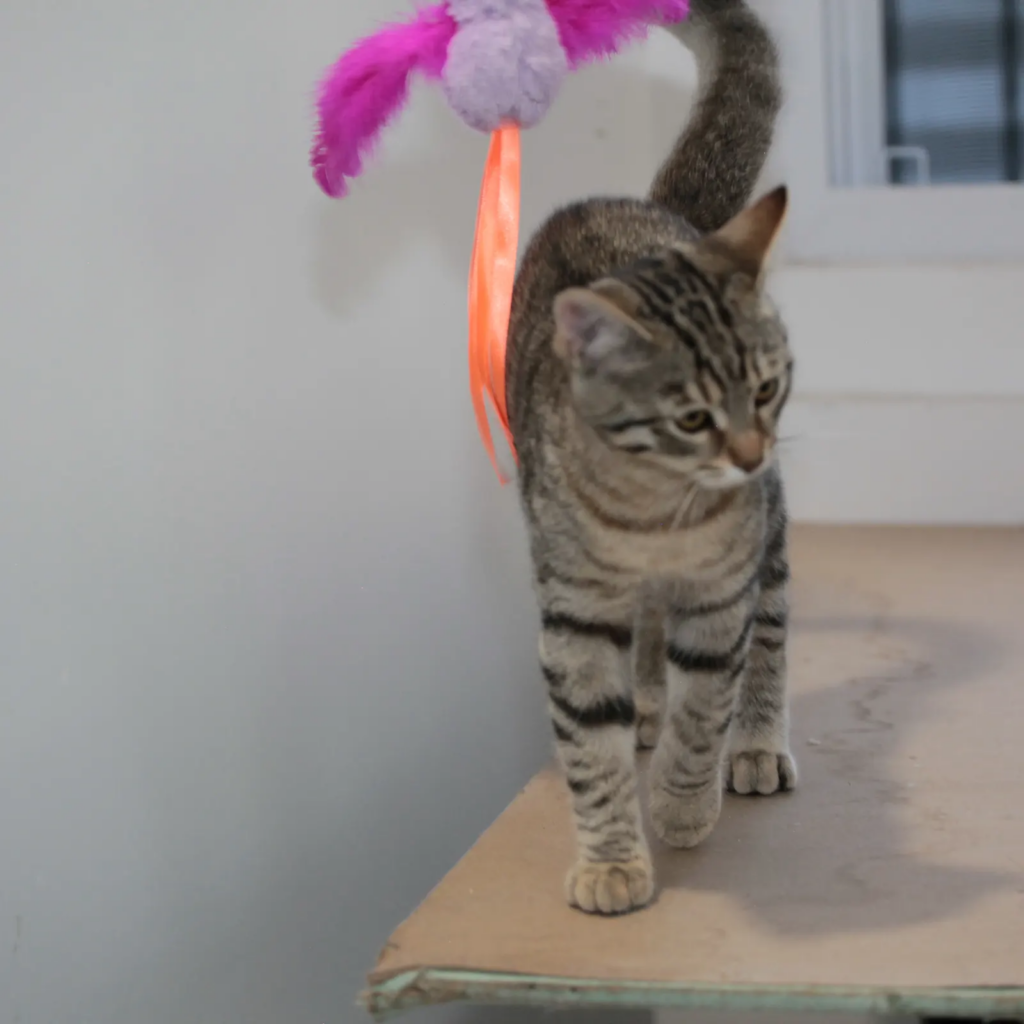
Kanaani photograph from the WKO archive; not a photograph of the classroom event.
Growing Smart Minds and Kind Hearts
The Kanaani breed was developed in Jerusalem, in the Holy Land, during the 1990s by Holocaust survivor Doris Pollatschek. Salita continues its preservation through the Royal House of Kanaani.
The story’s debut showed how cultural heritage and animal education can encourage kindness and responsibility.
About The Golden Cat of King Solomon
Written by Animal Chaplain and author Mikhail Salita for children ages 2–5, this original story connects King Solomon’s legendary golden cat with the rare Kanaani breed and the importance of compassion for animals.
The manuscript is available to interested publishers and media representatives upon request.
About Brain Fitness Academy
Brain Fitness Academy is a Brooklyn early childhood education center combining European learning traditions, American innovation, multicultural experiences, and character development.
Mikhail Salita: The Journey to Himself — and the Road to Athens
Published on WKO: November 9, 2026
From the legendary golden cat on King Solomon’s throne to the international revival of one of the world’s rarest domestic cat breeds.
By Viktor Zonis Journalist, novelist, author of Solomon: King of a Thousand Songs, and Honorary Member of the National Writers’ Union of Ukraine.
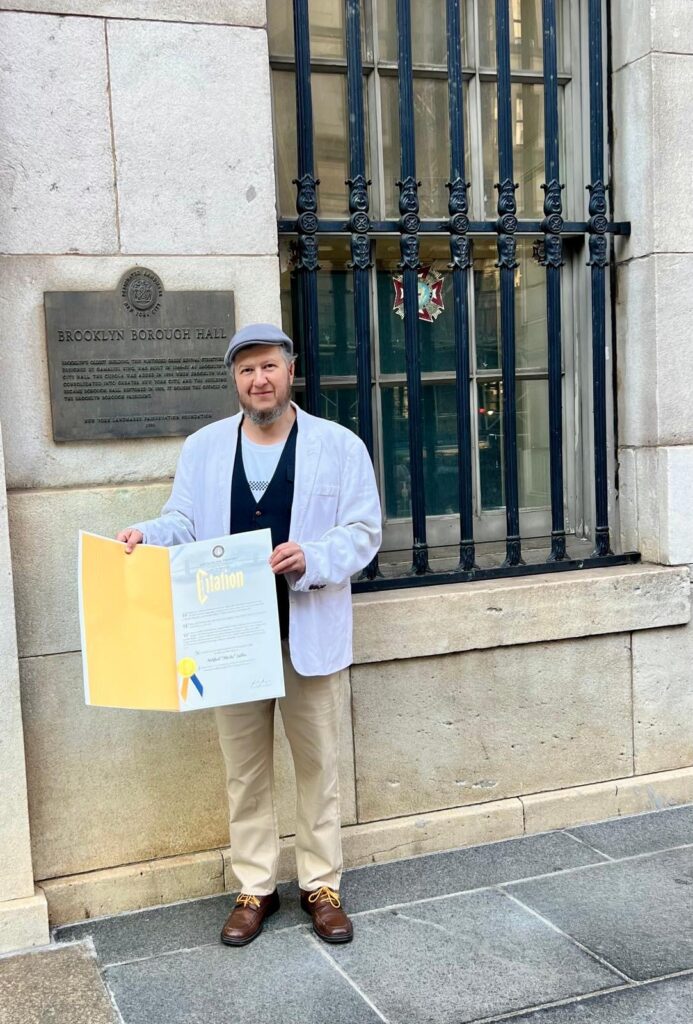
Mikhail Salita with the Brooklyn Borough President Citation. Photograph from the November 3 FreePressRelease announcement.
I have known Mikhail Salita for more than a decade. During those years, we have met in person only twice, once in summer and once in autumn, on opposite sides of the Atlantic. But those were hardly brief encounters. When I visited the United States, I spent three weeks living in his home. When Mikhail came to Odesa, we spent another week together.
Nearly a month of close companionship, not counting countless telephone conversations, debates, and discussions of literary projects and ambitious ideas.
We have also collaborated as writers. We worked on a novel about a man from Odesa whose life took an extraordinary and difficult course, and we are currently developing a historical novel about Vladimir (Ze’ev) Jabotinsky, the Odesa-born writer and Zionist thinker.
Over the years, I have come to recognize something unusual about Mikhail’s character. He has never been content simply to settle into a comfortable life.
For many immigrants, the American dream means education, professional achievement, financial security, and the freedom to enjoy the rewards of hard work. Mikhail pursued education and built a professional life in America. Yet even after earning multiple degrees and working in several professions, he continued searching for something beyond personal success.
He was searching for a calling.
Then, one day, he decided to become a rabbi.
And he did.
At first, it seemed that his long spiritual journey had reached its destination. Looking back now, I believe his ordination was not an ending but the beginning of a new chapter.
For nearly a decade, I served as chairman of Odesa’s Progressive Jewish community. During that time, I came to know rabbis from Ukraine, Israel, and other countries, representing different traditions and interpretations of Judaism.
What united them was a commitment to studying sacred texts and seeking meaning within the Jewish spiritual inheritance.
Mikhail shares that commitment. Yet he sometimes notices details that others might overlook.
One of those details was a golden cat on the throne of King Solomon.
The Golden Cat of King Solomon
As a young man, I read H. Rider Haggard’s King Solomon’s Mines and became fascinated by the legendary biblical king. Many years later, that fascination inspired my own novel, Solomon: King of a Thousand Songs.
After completing the book, I believed I had explored nearly everything that could be known, imagined, or written about Solomon.
I was mistaken.
Mikhail drew my attention to an extraordinary detail in an ancient Jewish narrative.
The Second Targum to the Book of Esther, known as Targum Sheni, describes Solomon’s magnificent throne, with six golden steps adorned by figures of animals.
On the fifth step stood a golden cat, facing a golden rooster.
A cat and a rooster.
At first glance, perhaps an insignificant detail in a royal legend filled with magnificent creatures.
But Mikhail saw something more.
Solomon, the son of King David and the traditional builder of the First Temple in Jerusalem, remains one of the most enduring symbols of wisdom in Jewish civilization.
The throne narrative is a literary and religious tradition, not archaeological evidence that Solomon personally owned a cat. Nevertheless, the presence of this animal within the imagery of his royal court is striking.
For Mikhail, the golden cat became a symbol of a much older relationship between human beings and the animals that have shared their homes for thousands of years.
And that relationship, he argues, has a meaningful place in Jewish tradition.
What Jewish Tradition Teaches About Cats
In the Babylonian Talmud, Eruvin 100b, Rabbi Yohanan teaches that human beings could learn modesty from the cat, even if the Torah had not been given.
It is a remarkable observation.
An ancient Jewish sage invites humanity to recognize a moral lesson in the behavior of an animal.
Another passage, Pesachim 112b, includes teachings attributed to Rav Papa concerning cats and the dangers of snakes in a household.
In the ancient world, cats were more than companions. They helped protect stored grain and food from rodents and sometimes confronted snakes and other household threats.
They were guardians of the home.
Mikhail also challenges a misconception sometimes encountered in religious communities: that because cats are not kosher animals, keeping them as pets is somehow incompatible with Jewish observance.
Jewish dietary law distinguishes between animals permitted and forbidden for consumption. It does not follow that an animal prohibited as food is prohibited as a companion.
This distinction is important.
Many observant Jewish families keep and cherish cats. Yet Mikhail believes that misunderstandings about animals and religious tradition deserve thoughtful examination.
His question is both simple and provocative:
If a golden cat could find a place on the legendary throne of King Solomon, why should a living cat not find a place in a Jewish home today?
For him, this is not merely a rhetorical question. It reflects a broader understanding of Jewish responsibility toward living creatures.
And it eventually led him from the study of ancient texts to a very practical mission: helping preserve a rare Israeli cat breed.
From Jerusalem to Brooklyn
In the mid-1990s, Doris Pollatschek, a Holocaust survivor living in Jerusalem, began developing a distinctive domestic cat breed known as the Kanaani.
With its athletic build and striking appearance reminiscent of the wildcats of the Middle East, the breed was intended to preserve an unusual feline aesthetic within a domestic cat.
The World Cat Federation recognized the Kanaani in 2000.
Yet despite that recognition, the breed remained exceptionally rare, with very limited breeding populations.
Its future was far from secure.
Mikhail decided to help change that.
In Brooklyn, New York, he established the Royal House of Kanaani and The World Kanaani Organization under the umbrella of the Salita Foundation, dedicated to preserving the breed, documenting its lineage, and promoting international recognition.
His feline household includes King Arbuz, Queen Haifa, and young princesses Haya and Neshama, among others.
I must confess that the name King Arbuz makes me smile. In the language of our native Odesa, arbuz means watermelon. It is a rather unexpected name for feline royalty.
But behind the affectionate humor lies a serious conservation effort.
Mikhail has devoted considerable time to pedigree documentation, breed registration, international exhibitions, and cooperation with feline organizations.
In October 2026, London Book of World Records recognized his achievement involving seven documented purebred Kanaani cats.
His preservation work also received a Social Impact Award and Hall of Fame recognition from the London Book of World Records.
In August 2026, his cats Haifa and Haya made a successful appearance at a World Cat Federation exhibition in Finland. Following the event, both held leading positions among Kanaani cats in their respective age categories in the WCF Best Cat 2026 rankings.
For a breed known to relatively few people outside specialist circles, these developments represented meaningful progress.
But Mikhail has never been someone who regards one achievement as the end of the journey.
The Road to Athens
On November 28–29, 2026, an international World Cat Federation exhibition in Athens, Greece, will provide the next opportunity to introduce the Kanaani to a wider audience.
Mikhail plans to bring two young female cats, Haya and Neshama, both born in the United States and descended from the Israeli breed.
He hopes they will earn further recognition and progress toward junior championship titles.
Yet his ambition extends beyond competition.
He envisions the Kanaani becoming a recognizable cultural symbol of Israel, connecting the modern country with the historical imagination and animal-related traditions of the Jewish people.
The idea is not without an international precedent.
In 1972, following President Richard Nixon’s historic visit to China, the arrival of Chinese pandas in the United States became a powerful symbol of cultural diplomacy.
Could an Israeli cat breed someday play a modest but meaningful role in a similar form of cultural exchange?
Not as a political instrument, but as a living ambassador of heritage, education, and compassion for animals.
A rare breed originating in Jerusalem could participate in cultural events, educational initiatives, international exhibitions, and programs devoted to Jewish history and the human–animal bond.
There is no scientific evidence establishing that modern Kanaani cats are direct descendants of cats living in Solomon’s time. Their association with the golden cat of the ancient throne narrative is symbolic, not genealogical.
But cultural traditions are not sustained by genetics alone.
Sometimes an image preserved in an ancient story can inspire a new generation to protect something living and vulnerable.
That is what makes Mikhail’s undertaking unusual.
He is not merely breeding cats or pursuing exhibition titles. He is attempting to connect animal preservation, Jewish heritage, and international cultural recognition in a single mission.
A Journey That Continues
When I first began reflecting on Mikhail Salita’s life, I saw a man constantly searching for his place in the world.
Education, professional careers, literary projects, community initiatives, rabbinical studies — each new achievement seemed to open another road.
Today, I see a deeper continuity.
His spiritual interests, concern for historical memory, and compassion for animals have gradually converged.
As an animal chaplain and rabbi, Mikhail seeks to bring attention to the place of animals within Jewish ethical and spiritual thought.
As a custodian of the Kanaani breed, he is engaged in the practical work of protecting a rare part of Israel’s modern feline heritage.
For him, the golden cat of King Solomon is more than a beautiful image from an ancient legend.
It represents the possibility that something seemingly small — even a cat — can carry a story across centuries and cultures.
I do not know what new ideas Mikhail will pursue after Athens. Knowing him, I doubt the Greek capital will be his final destination.
For now, I wish him success, and I wish Haya and Neshama a memorable appearance on the international stage.
May their journey help secure a future for a breed whose story began in Jerusalem and is now being continued in Brooklyn.
And may the golden cat of King Solomon continue its remarkable symbolic journey — from an ancient Jewish narrative to a new generation of living cats, and from Jerusalem and New York to Athens.
Perhaps finding one’s true calling is not about reaching a final destination.
Perhaps it is about discovering something worth preserving for those who come after us.
Editorial note: the record organisation’s name has been standardised to London Book of World Records to match the published certificate.
The Ten Camels: Compassion as Active Responsibility
Source published: November 8, 2026
In a November 8 contribution to The Times of Israel Blogs, Mikhail Salita reflects on Rebecca watering the camels in Genesis 24. He reads her repeated effort as an example of kindness expressed through practical care rather than words alone.
From Reflection to Responsibility
The essay connects this scene with Jewish Animal Chaplaincy and the responsibility to notice animals’ needs. Salita presents it as his theological interpretation, not a claim that kindness guarantees a particular reward.
This reflection belongs to WKO’s Culture and Compassion section. It concerns animal ethics rather than a Kanaani exhibition or breed record.
Princess Haya Looks Ahead to the World Cat Show in Athens
Added to the WKO archive on · YouTube Shorts
The Kanaani Salita Line channel has shared a short video titled Princess Haya Is Excited for the World Cat Show in Athens!
The clip accompanies the Royal House of Kanaani’s preparations for the Felina Greece exhibition on November 28–29, 2026. The exhibition is still upcoming; this video is not a report of attendance, judging results or awards.
From London's Hall of Fame to Athens: Haya and Neshama's Planned Show
· EIN Presswire · Royal House of Kanaani / Salita Foundation press release
A November 5 release on EIN Presswire connects Mikhail Salita’s London Book of World Records recognition with the Royal House of Kanaani’s preparations for Greece.
Two Sisters, One Upcoming Exhibition
The release names American-born sisters Haya and Neshama as planned participants in the Felina Greece WCF show on November 28–29, 2026. It says they will enter the Junior category and describes the trip as an opportunity to introduce Kanaani preservation to an international audience.
The announcement distinguishes the Social Impact Award and Hall of Fame feature from the earlier seven-cat documentation record and the October 29 Brooklyn Citation.
It frames the golden cat of King Solomon as literary symbolism rather than a claim of ancient biological ancestry. Exhibition participation, qualifications and results remain prospective; no Athens awards are reported here.